Optimal Timing for Concrete Pavers
Choosing the optimal time for concrete pavers installations can influence the durability and quality of the finished surface. Weather conditions, temperature, and moisture levels play significant roles in the installation process. Proper timing ensures that the pavers set correctly and reduces the risk of issues such as cracking or shifting.
Spring and early fall typically offer mild temperatures and lower humidity, making them suitable for installation. Avoid periods of extreme heat or cold to prevent issues with setting and curing.
Temperatures between 50°F and 85°F are generally optimal. Installing during very hot or freezing conditions can affect the setting process and longevity of the pavers.
Dry weather is preferable to ensure proper compaction and adhesion. Excessive rain can delay installation and compromise the base layer.
Scheduling installations in spring or fall allows for better weather conditions and reduces the risk of delays due to adverse weather.
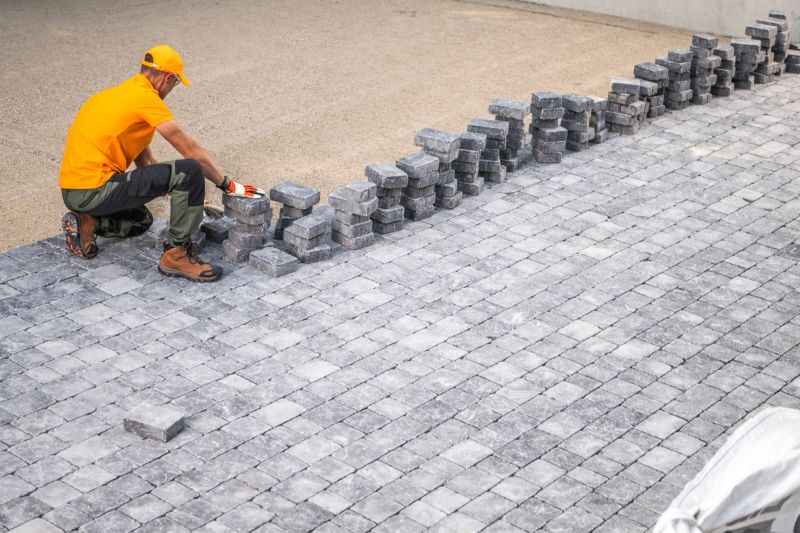
Optimal weather for paving projects with mild temperatures and lower rainfall.
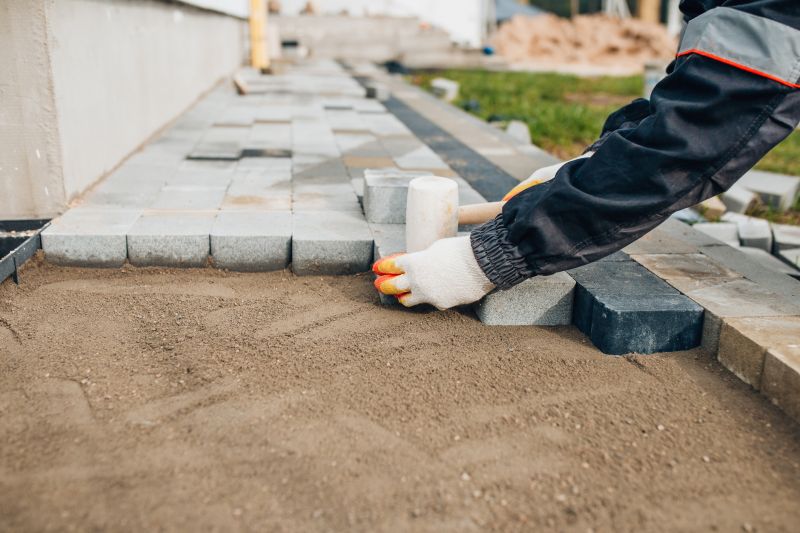
Ideal for avoiding extreme heat and cold, ensuring proper setting.
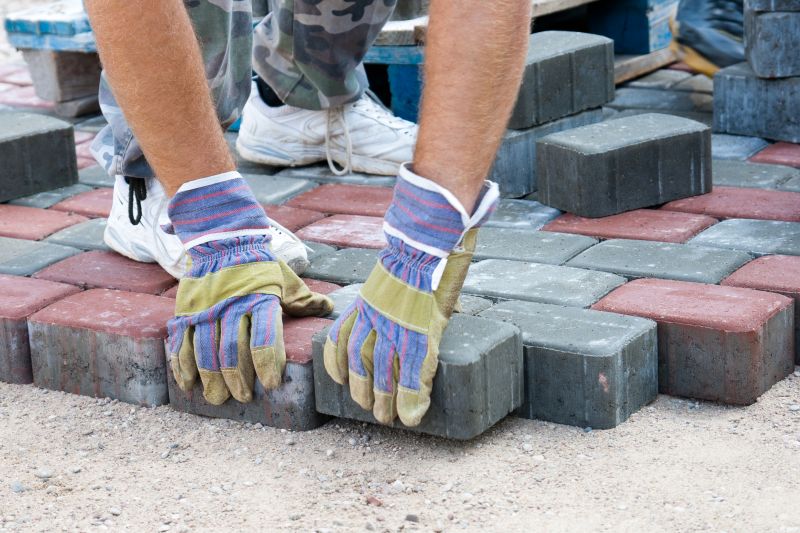
Clear, dry days are best for installation to prevent delays and issues.
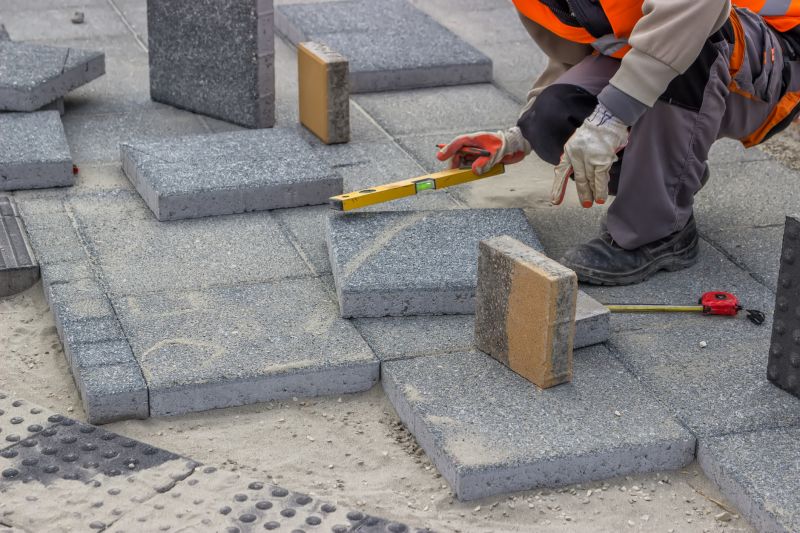
Ways to make Concrete Pavers Installations work in tight or awkward layouts.
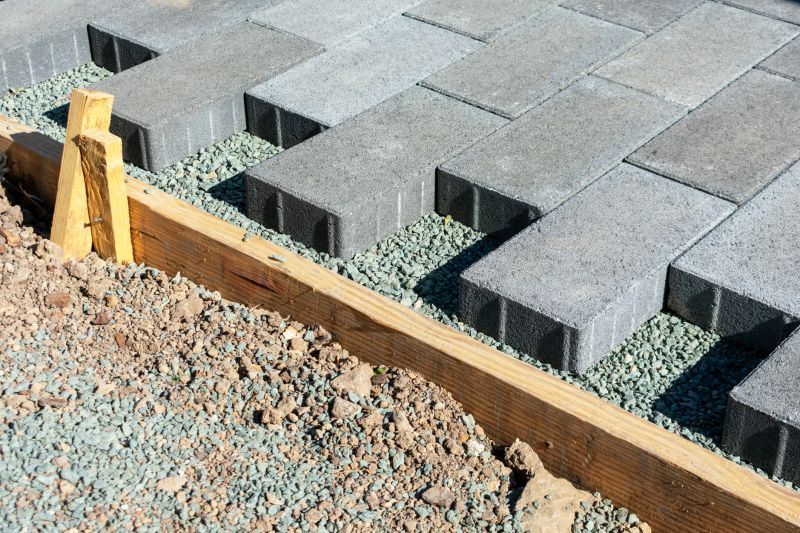
Popular materials for Concrete Pavers Installations and why they hold up over time.
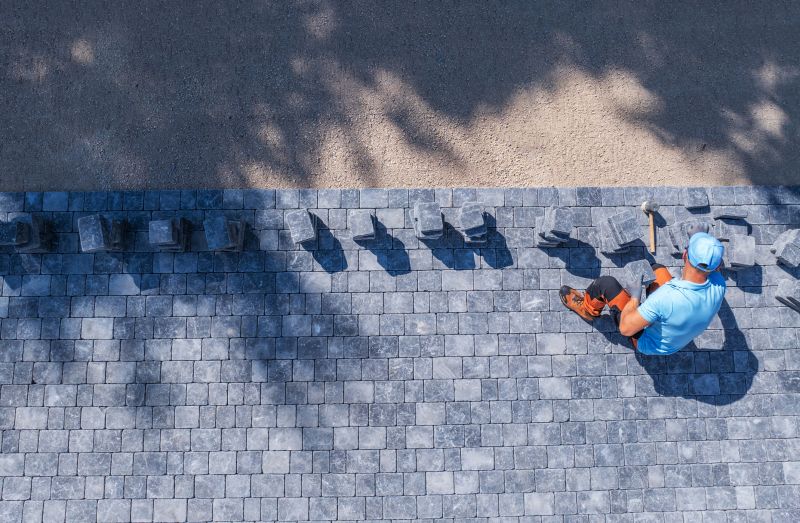
Simple add-ons that improve Concrete Pavers Installations without blowing the budget.
| Season | Optimal Conditions |
|---|---|
| Spring | Mild temperatures, lower humidity, moderate rainfall |
| Summer | High temperatures, potential for rapid drying, avoid peak heat |
| Fall | Cooler temperatures, low humidity, minimal rain |
| Winter | Freezing temperatures, high risk of frost damage, generally not recommended |
Concrete pavers installations require careful planning to ensure the best results. Proper timing allows for optimal curing, reduces the risk of cracking, and ensures the longevity of the paved surface. Weather conditions such as temperature, humidity, and moisture levels are critical factors influencing the success of installation projects. Scheduling during seasons with stable, moderate weather conditions is recommended for achieving durable and aesthetically pleasing results.
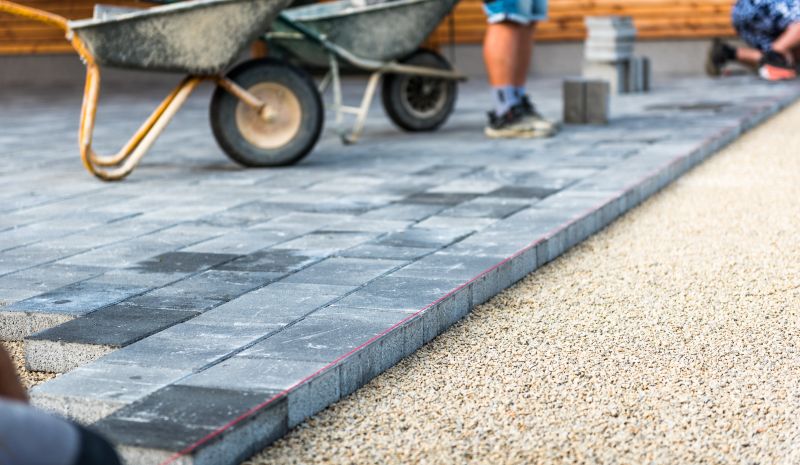
High-end options that actually feel worth it for Concrete Pavers Installations.
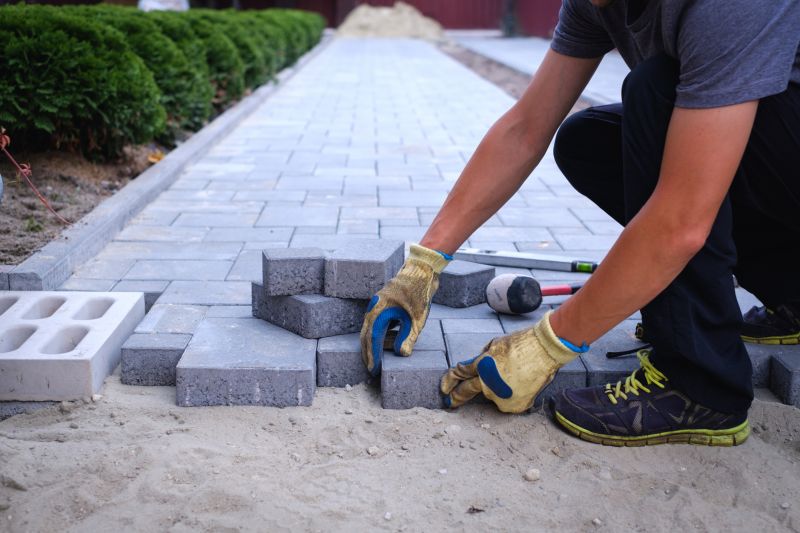
Finishes and colors that play nicely with Concrete Pavers Installations.
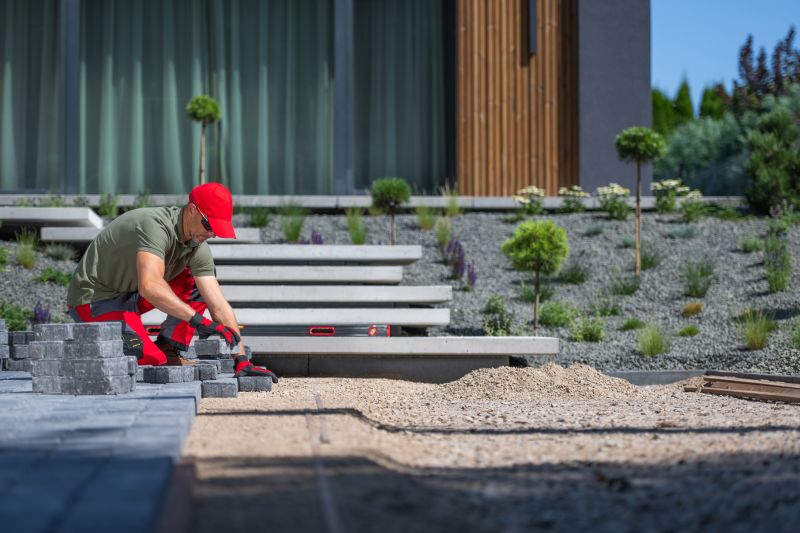
Little measurements that prevent headaches on Concrete Pavers Installations day.
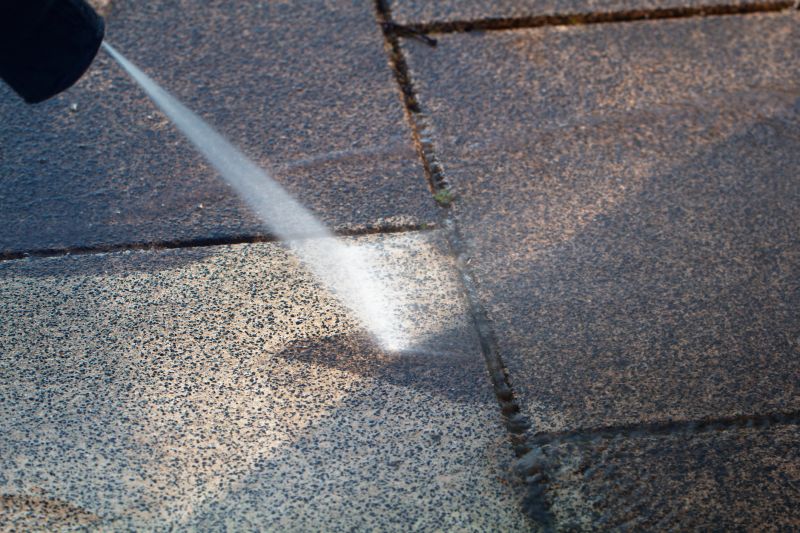
A 60-second routine that keeps Concrete Pavers Installations looking new.
Interested in scheduling a concrete pavers installation? Filling out the contact form can provide more information and help determine the best timing based on local weather conditions and project requirements.